The phrase “rainy season” can suggest days lost indoors. In northern Tanzania, the reality is often far more beautiful: fresh mornings, gathering clouds and short showers that transform the land.
Green season broadly spans November through May, with different rainfall patterns across the region. There can be wet days, but there are also long periods of clear weather, luminous air and exceptional wildlife viewing.
A landscape renewed
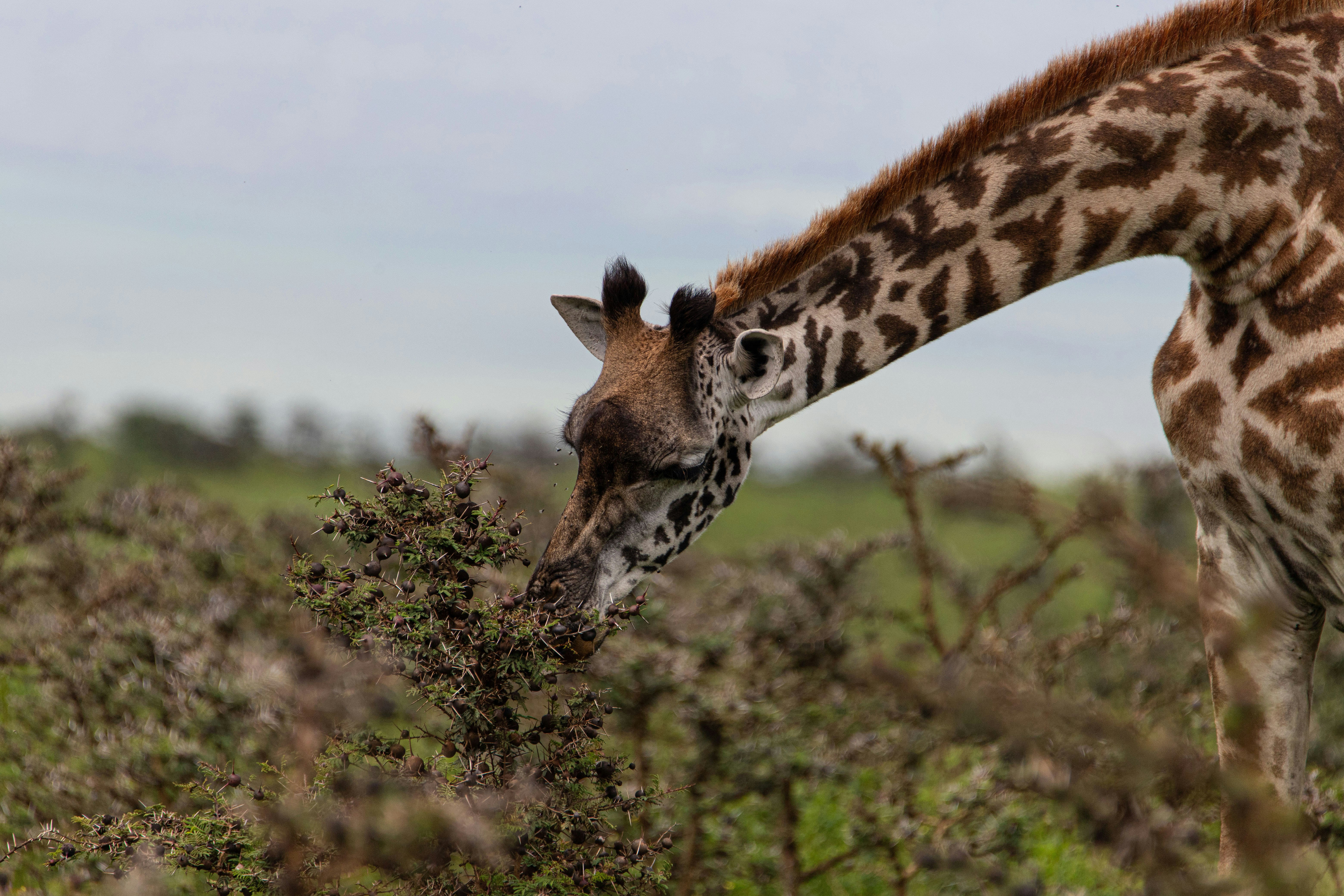
Dust settles. Grasses return. Migrant birds arrive in breeding colour and the plains take on a depth of green that dry-season travellers rarely see. Afternoon storms can build into extraordinary skies before passing as quickly as they came.
Why photographers love it
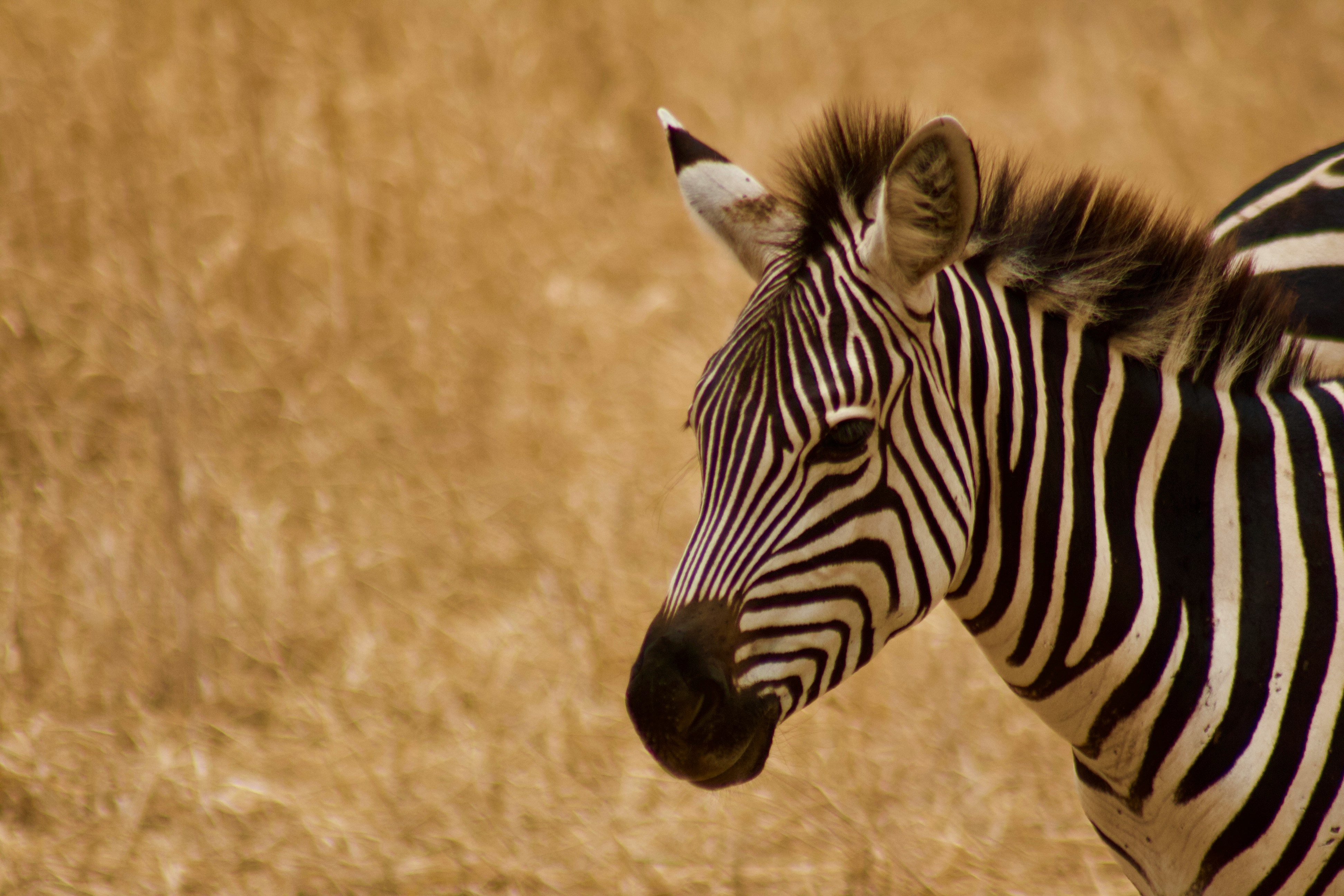
Soft light, clean air and dark storm backgrounds create depth and drama. Fewer vehicles also allow more freedom to position patiently, while reflective pools and new vegetation add context to wildlife portraits.
New life on the plains
From late January into March, the southern Serengeti becomes the wildebeest calving ground. Thousands of calves arrive each day at the season’s peak, attracting cheetahs, lions and hyenas to the short-grass plains.
Rain can change roads and plans. The right camp, an experienced guide and a flexible itinerary turn those conditions into part of the adventure rather than an interruption.
Where green season works beautifully
- Southern Serengeti and Ndutu for calving and predator activity.
- Tarangire for lush baobab landscapes and outstanding birdlife.
- Ngorongoro Crater, where wildlife remains resident throughout the year.
- Zanzibar between showers, with warm water and a gentler pace.
Who should travel then?
Green season suits repeat safari travellers, photographers, honeymooners and anyone who prefers space, mood and value over predictable dry weather. It is especially rewarding for guests willing to let each day respond to the landscape.
For us, it is not a compromise season. It is simply a different Tanzania—alive, changing and remarkably generous.