The Great Migration is often described as a circle, but on the ground it feels more like a living conversation between rain, grass, instinct and opportunity.
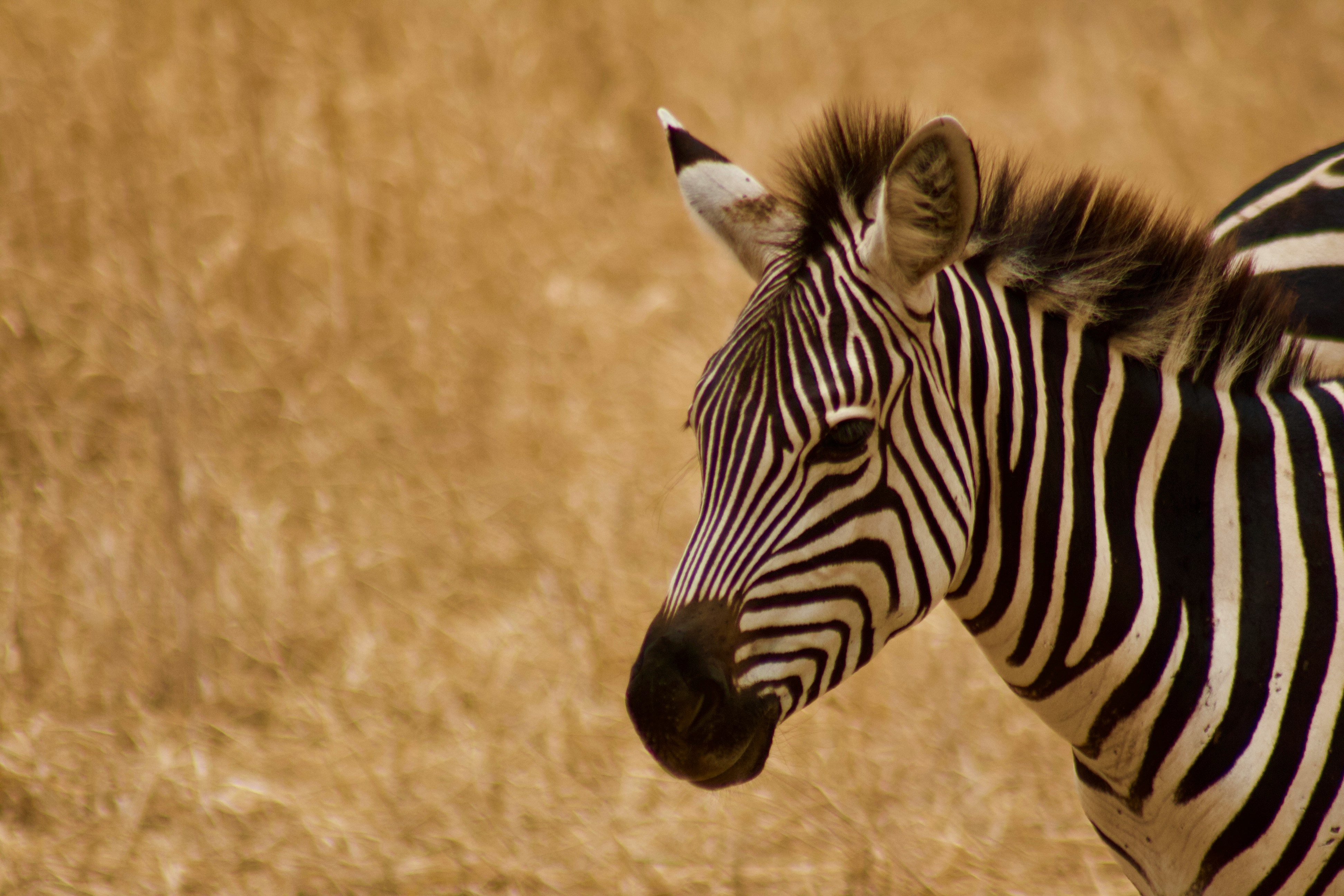
More than a million wildebeest, joined by zebra and gazelle, move through the Serengeti–Mara ecosystem throughout the year. Their journey does not follow a fixed timetable. Local rainfall can bring a herd forward, hold it back or split it across an immense landscape.
The crossings are a chapter, not the whole story
Northern Serengeti river crossings generally become possible between July and October. Yet no guide can promise the precise hour—or even the precise day—a herd will enter the water. Animals may gather at the bank for hours before turning away. The most rewarding approach is to stay several nights and let a patient guide read the signs.
Where the herds are through the year
January to March · Southern Serengeti
Short-grass plains around Ndutu become the migration’s nursery. Calving brings extraordinary density, tender new life and intense predator activity.
April to June · The western movement
The long rains turn the plains green. Columns begin moving northwest, often spreading through Moru, the western corridor and the Grumeti country.
July to October · Northern rivers
Herds reach the Mara River region. Crossings may happen repeatedly, but quieter days among resident cats, elephants and kopje landscapes are equally important.
November to December · The return south
Short rains draw the migration back into Tanzania, creating beautiful light and excellent game viewing with fewer vehicles.
Plan at least four nights in the migration zone, use a private vehicle and avoid building the entire journey around a single predicted crossing point.
How we design a migration journey
- Choose camp locations using current herd movement, not last year’s calendar.
- Keep game-drive timing flexible so your guide can respond to developing conditions.
- Combine migration country with quieter landscapes such as Tarangire or the Ngorongoro Highlands.
- Use bush flights to protect time in the field and avoid unnecessary road transfers.
A crossing can be dramatic, but the migration’s deeper magic lies in scale: the sound of thousands of hooves, a horizon darkened by animals and the sense that an ancient movement is continuing around you.